
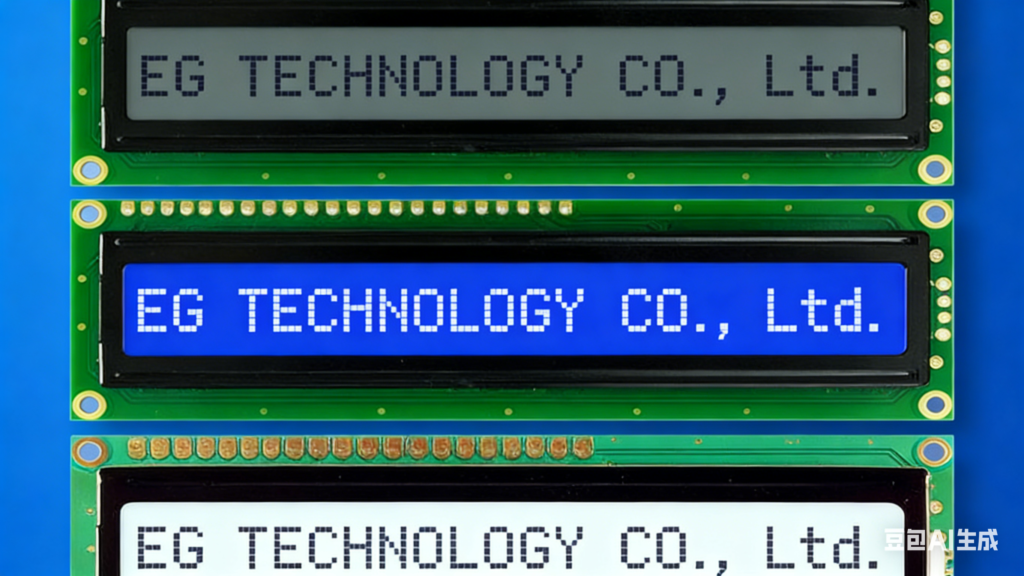
Liquid Crystal Displays (LCDs) are essential components in nearly every electronic device across industrial, consumer, medical, automotive, and IoT sectors. For small and medium size LCD modules (typically 1.4″ to 15″), performance under different lighting conditions, power efficiency, and visual clarity depend heavily on one core design choice: the light transmission mode.
LCDs are categorized into three standard types based on how they manage light to illuminate pixels: transmissive, reflective, and transflective. Each mode offers unique advantages for specific environments and use cases. This guide explains the working principles, pros & cons, ideal applications, and selection tips to help you choose the right LCD mode for your product.
What Are the Three Main LCD Display Modes?
The three fundamental LCD light modes are defined by their light source:
- Transmissive LCD: Uses an internal backlight as the primary light source
- Reflective LCD: Relies entirely on external ambient light (no backlight)
- Transflective LCD: Combines backlight and ambient reflection (hybrid mode)
These modes directly impact visibility, power consumption, color performance, and cost—critical factors for small and medium size displays used in handheld, portable, and embedded devices.
1. Transmissive LCD Displays
Transmissive LCDs are the most common type for modern electronics. They use a built-in backlight that shines light through the liquid crystal layer to create a visible image.
How Transmissive LCDs Work
Light originates from a backlight unit (LED) behind the LCD panel. It passes through polarizers, color filters, and liquid crystal layers. Voltage control adjusts liquid crystal alignment to regulate light passage, forming text, icons, and full-color images.
Typical Applications for Small & Medium Size Transmissive LCDs
- Smartphones, tablets, and portable media players
- Industrial HMI, control panels, and instrumentation
- Automotive displays, navigation, and infotainment
- Medical devices and diagnostic equipment
- POS terminals, kiosks, and handheld scanners
- Gaming devices and consumer electronics
Advantages
- High image quality, wide color gamut, and strong contrast
- Excellent visibility in low-light and dark environments
- Wide viewing angles (especially IPS transmissive panels)
- Supports high resolution for sharp graphics and video
- Mature, cost-effective manufacturing for mass production
Disadvantages
- Higher power consumption reduces battery life
- Poor readability in direct strong sunlight
- Thicker module due to backlight assembly
2. Reflective LCD Displays
Reflective LCDs have no backlight. They use a reflective layer to bounce ambient light back through the liquid crystal layer, creating an image using natural or indoor light.
How Reflective LCDs Work
Ambient light enters from the front, passes through the liquid crystal layer, and reflects off a mirror-like back layer. The liquid crystals modulate the reflected light to form the display image.
Typical Applications for Small & Medium Size Reflective LCDs
- E-readers and low-power portable devices
- Digital watches, wearables, and simple handheld tools
- Outdoor meters, GPS, and sunlight-readable instruments
- Low-power IoT sensors and basic displays
Advantages
- Ultra-low power consumption (extends battery life significantly)
- Perfect readability in bright sunlight and high ambient light
- Thin, lightweight, and compact module design
- Lower cost for simple monochrome and character LCDs
Disadvantages
- Unreadable or faint in dark/low-light environments
- Narrower viewing angles compared to transmissive types
- Limited color depth and image performance
3. Transflective LCD Displays
Transflective LCDs are hybrid displays that merge transmissive and reflective technologies. They use a semi-reflective layer to work in two modes: backlit indoors and reflective outdoors.
How Transflective LCDs Work
- In bright light: Uses reflected ambient light (no backlight needed)
- In dim/dark light: Activates backlight for clear visibility
- The semi-transflective layer balances both light types for all-condition use
Typical Applications for Small & Medium Size Transflective LCDs
- Industrial and medical equipment used indoors and outdoors
- Marine, aviation, and military displays
- Outdoor handheld terminals and rugged devices
- Automotive dashboards and instrumentation
- Wearables and portable navigation tools
Advantages
- Readable in all lighting conditions (sunlight + dark environments)
- Lower power use than pure transmissive displays
- Wider viewing angles than reflective LCDs
- Ideal for rugged and multi-environment devices
Disadvantages
- Slightly lower color depth than high-end transmissive LCDs
- More complex optical design than standard modes
Transmissive vs Reflective vs Transflective LCD: Quick Comparison:
| Feature | Transmissive | Reflective | Transflective |
|---|---|---|---|
| Light Source | Backlight | Ambient light | Both backlight & ambient |
| Sunlight Visibility | Poor | Excellent | Very Good |
| Low-Light Visibility | Excellent | Poor | Good |
| Power Use | High | Very Low | Medium-Low |
| Color & Quality | Best | Limited | Good |
| Best For | Indoor, high-quality | Outdoor, low-power | All-light, rugged |
How to Choose the Right LCD Mode for Small & Medium Size Displays
- Choose Transmissive if you need high-quality color, video, or indoor use
- Choose Reflective if you need ultra-low power and sunlight readability
- Choose Transflective if your device works indoors and outdoors
For small and medium size LCD modules (1.4″–15″), transflective and transmissive modes dominate industrial, medical, automotive, and smart device applications due to their balance of performance and reliability.
Future of LCD Display Modes
LCD technology remains widely used in small and medium size applications thanks to continuous improvements in power efficiency, brightness, and optical design. While newer technologies like OLED and Micro-LED grow rapidly, LCDs remain the most cost-effective, reliable, and scalable solution for industrial, automotive, medical, and mass-market consumer devices.
Final Thoughts
Understanding transmissive, reflective, and transflective LCD modes is key to selecting the optimal display for your device’s environment, power budget, and visual requirements. For small and medium size LCDs, the right light mode directly improves user experience, battery performance, and product durability.